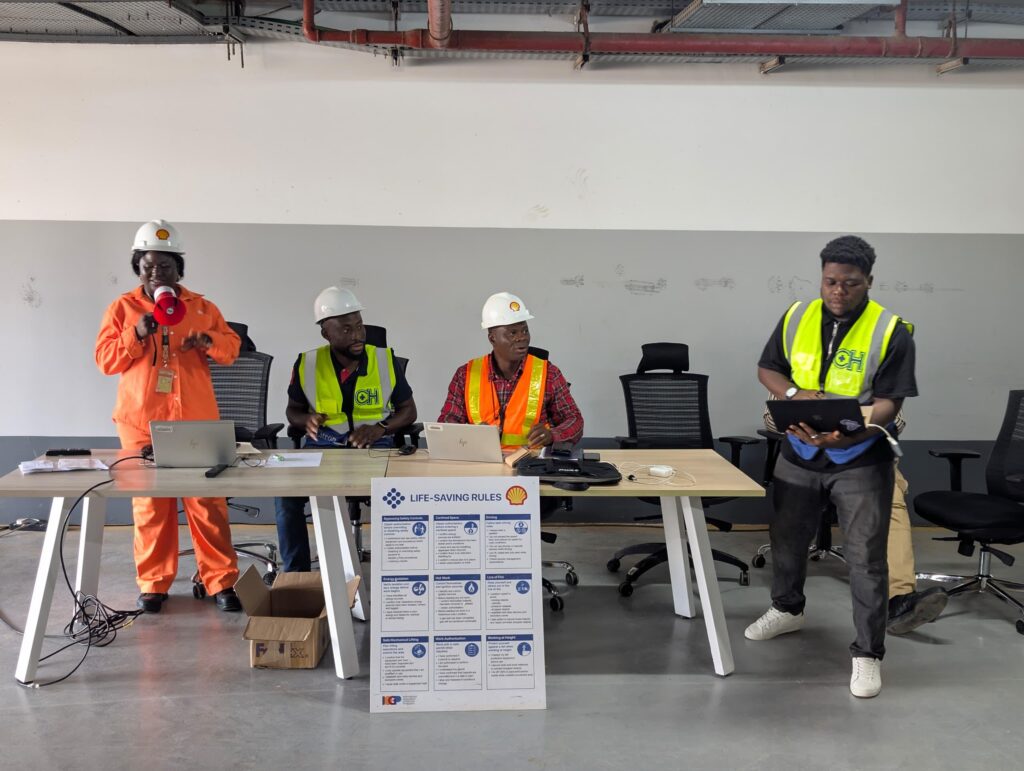
Occupational health is a crucial aspect of maintaining workplace safety, ensuring employee well-being, and improving productivity. In Nigeria, Citron Health Ambulance Lagos is at the forefront of providing top-tier occupational health services, emergency response, and pre-hospital care. With an emphasis on health and safety, Citron offers a broad range of fitness tests, emergency response services, clinic management, and training programs tailored to meet the demands of industries such as Oil & Gas, manufacturing, telecommunications, and more.
In this guide, we will delve into the various occupational health-related courses, services, and programs provided by Citron Health. We’ll explore everything from pre-placement evaluations to emergency response plans, with an emphasis on why these services are critical to businesses and workers across Nigeria.
What is occupational health?
Occupational health is focused on safeguarding the well-being of employees by identifying, managing, and preventing health risks in the workplace. This includes monitoring workers’ physical and mental health, ensuring they are fit to perform their duties, and reducing the risks of accidents and injuries. These health services are essential in high-risk industries, such as Oil & Gas, construction, and manufacturing, where hazardous environments can increase the likelihood of workplace injuries.
For more on the global perspective of occupational health and safety standards, refer to the World Health Organization’s (WHO) guidelines on workplace healthhere.
Importance of Occupational Health Services in Nigeria
In Nigeria, maintaining occupational health is essential for businesses that want to:
Meet regulatory requirements: Compliance with health and safety regulations, such as those set by the Nigerian Institute of Safety Professionals (NISP), is a legal obligation for many industries.
Enhance productivity: Healthy employees are more productive and less likely to take sick days, which leads to reduced absenteeism and better workplace morale.
Prevent workplace injuries: Proactively identifying risks through health assessments helps prevent accidents and costly legal implications.
According to the International Labour Organization (ILO), companies that invest in occupational health often see improved productivity and better retention rates. You can read more about the global standards on workplace safety set by ILO here.
Key Occupational Health Services in Nigeria
Below are the key occupational health services our company offers, with each service linked to a more detailed page.
1. What is the role of occupational health services?
Occupational health services are designed to protect workers from health risks related to their jobs, ensuring that they can work safely and productively.
2. Are occupational health services mandatory in Nigeria?
Yes, many industries in Nigeria, especially high-risk sectors like Oil & Gas and manufacturing, are required by law to implement occupational health programs to comply with safety regulations.
3. What does a pre-placement evaluation involve?
A pre-placement evaluation involves a thorough medical check-up, including assessments of vision, hearing, respiratory fitness, and mental health, to ensure an individual is fit for their role.
4. How can we implement drug and alcohol testing in our workplace?
We offer on-site drug and alcohol screening services, and our experts can help you develop a comprehensive workplace policy for substance use.
5. What should we do if an employee is injured at work?
Our emergency response services include immediate air and land ambulance services, ensuring your employees receive quick and effective medical care.
6. How often should we conduct health screenings?
The frequency of health screenings depends on the specific job role and industry risks. High-risk industries typically require annual health checks.